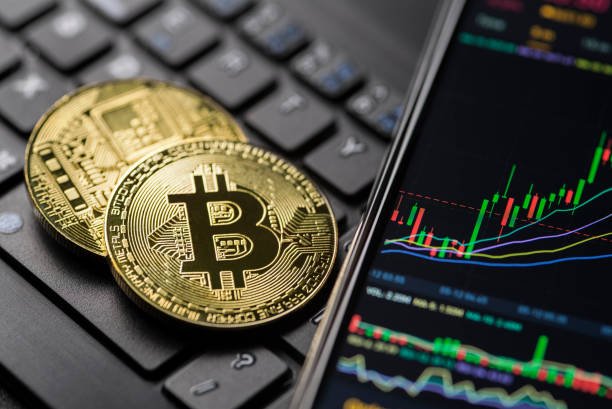

Bitcoin mining in 2025 is very different from what it was just a few years ago. What once seemed like an easy way to earn cryptocurrency using basic hardware has turned into a highly competitive industry dominated by powerful machines, rising energy costs, and increasing regulation. Many people still search for bitcoin mining because they want to know whether it is profitable, legal, or even realistic to start today. Understanding how mining works in the current landscape is essential before making any financial decision.
Bitcoin mining remains a core pillar of the Bitcoin network. It secures transactions, maintains decentralization, and ensures that the blockchain remains immutable. Despite market volatility and regulatory debates, mining continues to attract investors, companies, and governments looking to participate in the digital economy.
How Bitcoin Mining Works Today
Bitcoin mining is the process of validating transactions and adding them to the blockchain ledger. Miners use computational power to solve complex cryptographic problems. When a block is successfully mined, the miner receives a reward in bitcoin along with transaction fees.
In 2025, mining is almost entirely powered by ASIC miners. These machines are designed specifically for bitcoin mining and can perform trillions of calculations per second. Standard computers and GPUs are no longer competitive. Mining pools have become the norm, allowing miners to combine resources and earn more consistent rewards.
Why Bitcoin Mining Is Still Important
Bitcoin mining is essential for network security. It prevents double spending and ensures that transactions are verified without relying on a central authority. Mining also plays a role in decentralization by distributing validation power across multiple participants.
As bitcoin adoption continues to grow globally, mining remains the mechanism that keeps the system trustless and transparent. This is why mining continues despite increasing operational challenges.
Bitcoin Mining Costs in 2025
One of the most searched topics related to bitcoin mining is cost. In 2025, mining expenses are higher and more complex than ever.
Electricity remains the largest operational cost. Miners located in regions with cheap or renewable energy have a clear advantage. Countries with high electricity prices often make mining unprofitable unless miners use advanced efficiency strategies.
Hardware costs are another major factor. Modern ASIC miners require significant upfront investment and can become obsolete quickly. Cooling systems, maintenance, internet connectivity, and physical space all add to total expenses.
Because of these factors, mining profitability varies greatly depending on location, energy pricing, and hardware efficiency.
Bitcoin Mining Difficulty and Halving Impact
Bitcoin mining difficulty adjusts approximately every two weeks to keep block times stable. In 2025, mining difficulty continues to rise as more powerful machines join the network. This increases competition and reduces the chances of earning rewards for inefficient miners.
Bitcoin halving events also play a critical role. Each halving reduces the block reward by 50 percent, directly affecting mining revenue. After the most recent halving, miners must rely more on transaction fees and optimized operations. Understanding mining difficulty and halving cycles is crucial for evaluating long-term profitability.
Is Bitcoin Mining Profitable in 2025?
Profitability in bitcoin mining depends on multiple variables. When bitcoin prices increase, mining becomes more attractive. When prices fall or difficulty rises, margins shrink rapidly.
Large mining operations benefit from economies of scale, long-term energy contracts, and optimized infrastructure. Smaller miners often struggle unless they have access to very low electricity costs.
For beginners, mining is now considered a high-risk investment compared to simply buying and holding bitcoin. This shift has changed how new investors approach the cryptocurrency market.
Bitcoin Mining Hardware Comparison
Choosing the right mining hardware is one of the most important decisions miners face in 2025. High-end ASIC miners offer better efficiency and hash rates but require higher upfront investment. Older or cheaper machines often consume more power, making them unprofitable over time.
Miners must evaluate hash rate, power consumption, durability, and cooling requirements. Even small differences in efficiency can significantly affect long-term returns, especially in regions with high electricity costs.
Cloud Mining: Is It Still Worth It?
Cloud mining has gained attention among beginners who want exposure to bitcoin mining without owning physical hardware. These services allow users to rent mining power from remote facilities.
While cloud mining eliminates technical complexity, it introduces new risks. Many contracts include hidden fees or unrealistic profit projections. In 2025, fluctuating difficulty and bitcoin prices have made many cloud mining services less attractive than advertised. Investors should approach cloud mining cautiously and research providers thoroughly.
Legal Status of Bitcoin Mining Around the World
The legality of bitcoin mining varies significantly by country. Some governments actively support mining as part of technological innovation, while others restrict or ban it due to energy concerns or financial regulation.
In the United States, mining is legal but increasingly regulated at the state level. In parts of Europe, strict energy policies have reduced mining activity. Other countries have imposed outright bans, forcing miners to relocate.
Understanding local regulations is essential before investing in mining operations. Legal risks can quickly turn profitable setups into financial liabilities.
Environmental and Energy Concerns
Bitcoin mining continues to face criticism for its energy consumption. However, the industry has shifted toward renewable energy sources. Many large mining farms now rely on hydroelectric, solar, or wind power to reduce costs and environmental impact.
This transition not only improves sustainability but also increases efficiency and long-term profitability. Renewable energy adoption is becoming a key competitive advantage in the mining sector.
Bitcoin Mining vs Buying Bitcoin
For many investors, the decision comes down to mining versus buying bitcoin. Mining requires technical expertise, ongoing costs, and regulatory awareness. Buying bitcoin offers immediate exposure to price movements without operational complexity.
In 2025, most retail investors prefer buying and holding bitcoin, while mining is increasingly dominated by professional operations. This comparison helps investors choose the strategy that best aligns with their risk tolerance and resources.
Common Mistakes New Bitcoin Miners Make
Many beginners enter bitcoin mining with unrealistic expectations. One common mistake is underestimating electricity and maintenance costs. Another is purchasing hardware without calculating long-term profitability based on difficulty adjustments and halving cycles.
Ignoring legal and regulatory risks is another frequent error. Even compliant operations can be affected by sudden policy changes, making thorough research essential.
The Future of Bitcoin Mining
The future of bitcoin mining will likely involve further consolidation and professionalization. Advancements in hardware efficiency, renewable energy adoption, and regulatory clarity will determine which miners succeed.
Despite challenges, mining will remain fundamental to the Bitcoin ecosystem. As long as bitcoin exists, mining will continue to secure the network and validate transactions.
Final Thoughts
Bitcoin mining in 2025 is no longer a simple path to easy income. It is a capital-intensive, competitive industry influenced by energy prices, regulations, and market volatility. For those who understand the risks and invest strategically, mining can still be viable. For others, alternative crypto investment strategies may offer better returns with less complexity.
Understanding how bitcoin mining works today allows investors to make informed decisions in an evolving digital economy.